
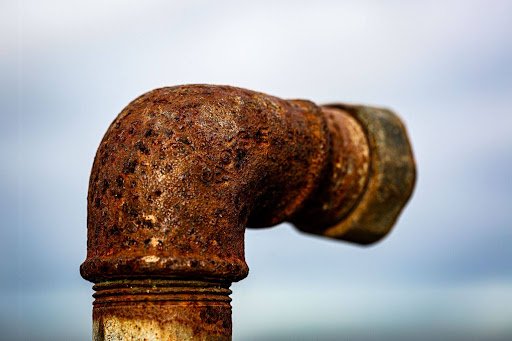
Galvanized water pipes were once a popular choice for residential plumbing systems because of their strength and durability. Many older homes still rely on these pipes today. However, aging plumbing systems often create hidden risks that homeowners fail to notice until serious damage appears. Over time, galvanized steel pipes corrode internally and affect water quality, pressure, and plumbing reliability.
Many homeowners experience rusty water, recurring leaks, and reduced water pressure without understanding the true cause. In many cases, old galvanized water pipes are responsible for these issues. As corrosion develops inside the pipes, water flow becomes restricted, and contamination risks increase significantly.
Understanding the dangers associated with galvanized plumbing helps homeowners protect their property and avoid expensive plumbing emergencies. This guide explains galvanized pipe corrosion, common warning signs, replacement options, and modern plumbing solutions that improve home water quality and system performance.
What Are Galvanized Water Pipes?
Galvanized water pipes are steel pipes coated with a protective zinc layer designed to resist rust and corrosion. These pipes became common in homes built before the 1960s because they offered durability and affordability.
Although galvanized pipes initially resist corrosion, the zinc coating eventually wears away. As a result, the steel beneath becomes vulnerable to rust buildup inside pipes and internal deterioration.
Most galvanized pipe systems have a lifespan of approximately 40 to 60 years. However, water quality, moisture exposure, and mineral content often shorten that lifespan considerably.
Why Are Old Galvanized Water Pipes Dangerous?
Many homeowners assume older plumbing systems remain safe as long as water continues flowing. Unfortunately, galvanized steel pipe problems often develop silently behind walls and under floors.
As galvanized pipes age, corrosion spreads gradually through the interior lining. Eventually, this process restricts water movement, weakens pipe walls, and contaminates household water.
Common Risks of Galvanized Plumbing
Plumbing Issue | Potential Impact |
Rust buildup inside pipes | Reduced water flow |
Pipe corrosion and leaks | Property damage |
Discolored tap water causes | Poor water quality |
Lead contamination risks | Health concerns |
Aging plumbing systems | Expensive repairs |
Ignoring these warning signs may increase plumbing damage and water contamination risks over time.
Signs Your Galvanized Pipes May Be Failing
Several visible symptoms indicate the need for galvanized pipe replacement. Homeowners should recognize these early warning signs before serious plumbing failures occur.
1. Low Water Pressure From Old Pipes
One of the most common symptoms involves low water pressure from old pipes. Corrosion narrows the inside diameter of galvanized pipes, restricting water flow gradually.
Signs of Pressure Problems
- Weak shower performance
- Slow sink filling
- Uneven water pressure
- Reduced appliance efficiency
Severely corroded pipes may eventually block water flow completely.
2. Rust Colored or Discolored Water
Discolored tap water causes concern because rusty water often signals severe internal corrosion. Water flowing through deteriorating steel pipes collects rust particles before reaching faucets.
Common Water Discoloration Signs
- Brown or yellow water
- Metallic taste
- Staining in sinks and tubs
- Dirty water after inactivity
Persistent discoloration indicates advanced galvanized pipe corrosion and possible replacement needs.
3. Frequent Pipe Leaks
Corrosion weakens pipe walls and creates small cracks that worsen over time.
Warning Signs of Hidden Leaks
- Water stains on the walls
- Mold growth
- Damp flooring
- Higher water bills
Professional inspections help identify hidden plumbing damage before structural problems develop.
Galvanized Pipe Corrosion Explained
Galvanized pipe corrosion begins when the protective zinc coating breaks down gradually. Once exposed, the steel beneath reacts with oxygen and moisture, creating internal rust buildup.
This corrosion process narrows water pathways and weakens pipe integrity. Consequently, homeowners experience poor water quality, pressure reduction, and plumbing failures.
How Corrosion Affects Plumbing Systems
Corrosion Effect | Plumbing Impact |
Internal rust buildup | Restricted water flow |
Pipe wall deterioration | Increased leak risks |
Sediment accumulation | Appliance damage |
Water contamination | Health concerns |
Corrosion damage often spreads unnoticed because most pipes remain hidden behind walls.
Lead Contamination Risks in Older Plumbing
Many older plumbing systems contain lead-based components connected to galvanized piping. As corrosion worsens, lead particles may enter household water supplies.
Lead contamination risks are especially dangerous for children and pregnant women because lead exposure affects neurological development and overall health.
Signs of Potential Contamination
- Metallic water taste
- Water discoloration
- Corroded pipe fittings
- Older plumbing connections
Water testing helps determine whether dangerous contaminants exist within household plumbing systems.
Galvanized Pipe Lifespan and Aging Systems
Most galvanized pipe systems last between 40 and 60 years under normal conditions. However, water chemistry and environmental factors influence pipe durability significantly.
Factors That Shorten Pipe Lifespan
- Hard water mineral buildup
- Poor water quality
- High moisture exposure
- Lack of maintenance
- Excessive water pressure
Many aging plumbing systems already exceed their expected lifespan and require professional evaluation.
Replacing Galvanized Plumbing
Replacing galvanized plumbing improves water quality, pressure, and plumbing reliability significantly. Modern piping materials provide better durability and corrosion resistance than older steel systems.
Benefits of Galvanized Pipe Replacement
Improved Water Quality
New plumbing systems eliminate rust contamination and improve water clarity and taste.
Better Water Pressure
Modern pipes restore smooth water flow throughout the house.
Reduced Leak Risks
Replacing corroded pipes prevents hidden leaks and costly water damage.
Increased Property Value
Updated plumbing systems improve home safety and resale appeal.
Professional plumbers evaluate pipe conditions and recommend suitable replacement solutions.
PEX vs Galvanized Pipes
PEX piping has become one of the most popular plumbing replacement options because of its flexibility, affordability, and corrosion resistance.
Comparing PEX and Galvanized Pipes
Feature | PEX Pipes | Galvanized Pipes |
Corrosion resistance | Excellent | Poor over time |
Installation flexibility | High | Limited |
Water pressure performance | Excellent | Restricted by age |
Lifespan | Long lasting | Aging rapidly |
Maintenance needs | Lower | Higher |
Many homeowners choose PEX during plumbing upgrades because it improves efficiency and long-term reliability.
Plumbing Pipe Replacement Options
Several plumbing pipe replacement options are available depending on the home structure, water quality, and budget requirements.
Common Replacement Materials
PEX Piping
PEX offers flexibility and quick installation while resisting corrosion effectively.
Copper Pipes
Copper provides durability and strong, long-term performance for residential plumbing systems.
CPVC Pipes
CPVC resists corrosion and works well in many household plumbing applications.
Professional plumbers recommend the best material based on household needs and water conditions.
Water Quality Issues From Pipes
Old galvanized water pipes often create serious water quality issues that many homeowners overlook initially.
Common Water Quality Problems
- Rust particles in water
- Metallic-tasting water
- Sediment buildup
- Reduced water clarity
- Potential bacterial growth
Replacing aging pipes improves drinking water quality and household safety significantly.
Water Quality Issues From Pipes
Old galvanized water pipes often create serious water quality issues that many homeowners overlook initially.
CPVC Pipes
Old galvanized water pipes often create serious water quality issues that many homeowners overlook initially.
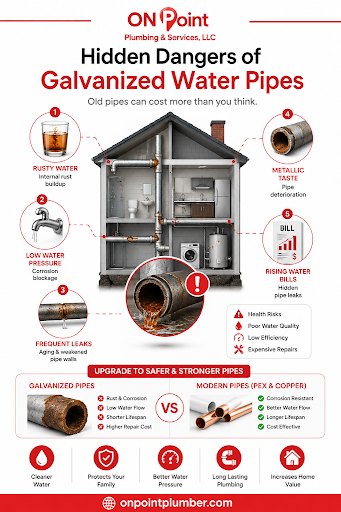
Why Professional Inspection Matters
Professional plumbing inspections help homeowners identify hidden corrosion and determine the condition of aging plumbing systems accurately.
Benefits of Professional Plumbing Evaluation
- Accurate pipe assessments
- Water quality testing
- Leak detection services
- Pressure testing
- Reliable replacement planning
- Long-term plumbing solutions
Experienced plumbers help homeowners avoid costly emergencies and improve plumbing system safety.
Why Homeowners Trust On Point Plumbing
On Point Plumbing provides dependable plumbing inspections and replacement services for homeowners dealing with old galvanized water pipes. Their experienced team identifies hidden corrosion issues and recommends modern plumbing solutions designed for long-term reliability.
Their services include:
- Galvanized pipe replacement
- Water quality inspections
- Leak detection services
- Plumbing pressure evaluations
- PEX installation solutions
- Complete plumbing upgrades
Whether you need to replace aging pipes or improve water quality, professional plumbers provide reliable and lasting solutions.
Learn more about trusted plumbing services by visiting:
Upgrade Your Plumbing System Before Problems Worsen
Old galvanized water pipes can quietly damage your plumbing system and affect household water quality for years. Professional inspections and modern pipe replacement solutions help protect your home, improve water pressure, and prevent costly plumbing emergencies.
Why Choose On Point Plumbing?
Professional Pipe Inspections
Reliable Galvanized Pipe Replacement
Advanced Leak Detection Services
Modern PEX Plumbing Solutions
Long Lasting Plumbing Repairs
Visit On Point Plumbing today and discover safer plumbing solutions designed for healthier water and reliable home performance.
Frequently Asked Questions
Are galvanized water pipes dangerous?
Yes. Aging galvanized pipes may corrode internally and create water quality issues, leaks, and possible lead contamination risks.
How long do galvanized pipes last?
Most galvanized pipes last between 40 and 60 years, depending on water quality and environmental conditions.
What are common signs of galvanized pipe corrosion?
Common signs include rusty water, low water pressure, metallic-tasting water, and recurring plumbing leaks.
Should I replace old galvanized plumbing?
Yes. Replacing galvanized plumbing improves water quality, reduces leak risks, and increases plumbing system reliability.
What is the best replacement for galvanized pipes?
PEX and copper pipes are popular replacement options because they resist corrosion and improve plumbing performance significantly.